
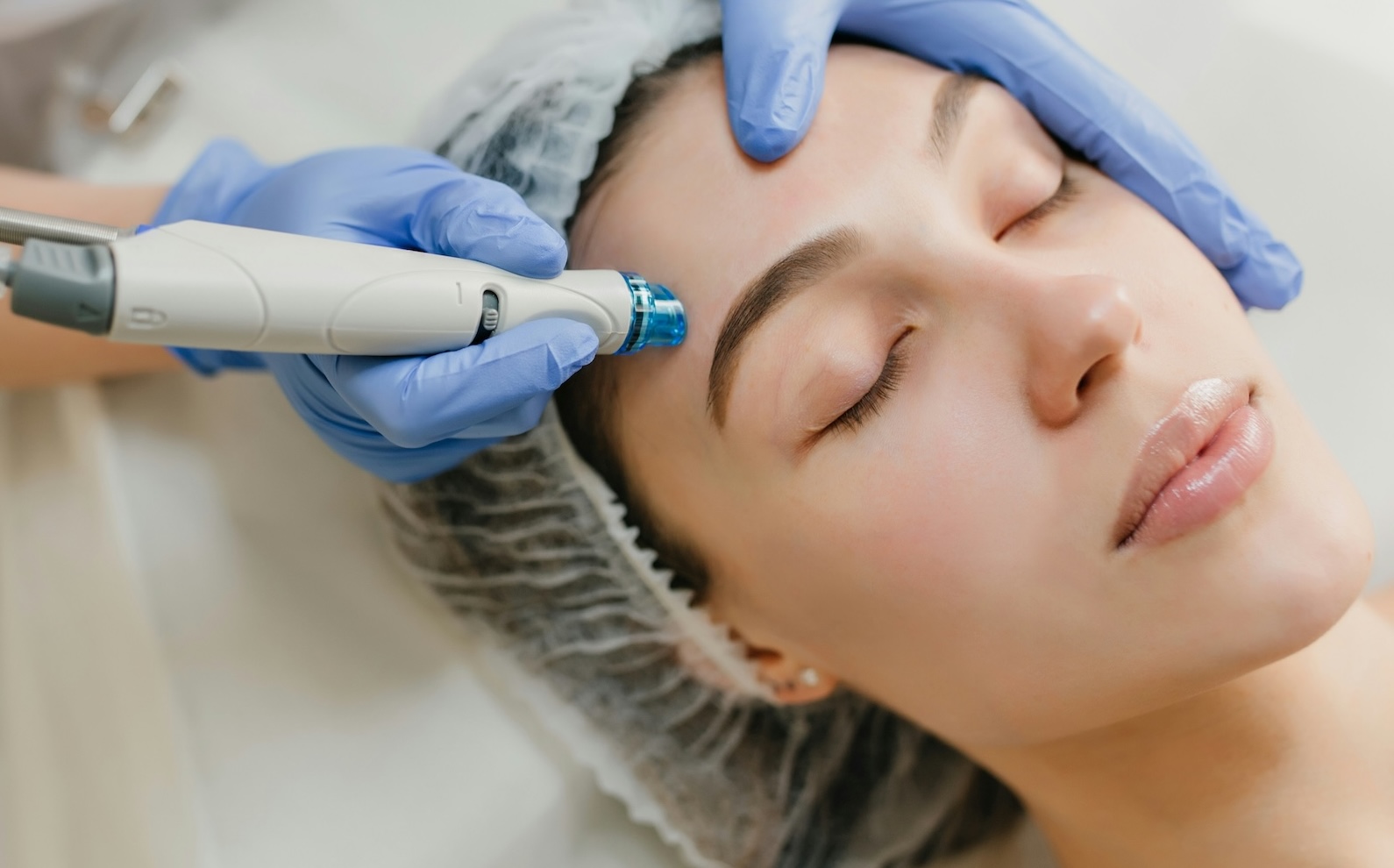
Excerpt: Arizona’s year-round sunshine can affect how your skin responds to laser treatments. Learn why sun protection matters, how to prepare, and what to expect while your skin recovers.
Living in Scottsdale means enjoying blue skies and sunshine for much of the year. It also means that your skin is regularly exposed to strong ultraviolet radiation, even during the cooler months.
If you are considering a cosmetic laser treatment, your recent sun exposure and your ability to protect your skin afterward are important parts of the planning process. Laser treatments can be performed safely in sunny climates, but timing, preparation and aftercare all matter.
Here is what Scottsdale residents should understand before scheduling a laser appointment.
Why Does Sun Exposure Matter?
Many laser treatments work by directing controlled energy toward a specific target in the skin. Depending on the device and treatment, that target might be pigment, redness, hair follicles or water within the skin.
A recent tan or sunburn can change the amount of pigment present in the skin. This may make it more difficult for a laser to distinguish between its intended target and the surrounding tissue.
Treating recently tanned or sunburned skin may increase the possibility of unwanted effects such as burns or changes in skin color. The American Academy of Dermatology advises that sun protection is important before and after laser treatment and notes that a clinician may be unable to treat skin that is tanned or sunburned.
This is one reason an honest consultation is so important. Tell your provider about recent sun exposure, outdoor activities, self-tanning products and any history of developing dark marks after skin irritation.
Does Laser Treatment Have to Wait Until Winter?
Not necessarily.
People sometimes assume that laser treatments can only be performed during winter. In reality, the right timing depends on the treatment, your skin, your lifestyle and how much sun exposure you can realistically avoid.
Arizona winters may be milder, but ultraviolet exposure does not disappear when temperatures fall. Likewise, someone who works indoors and consistently protects their skin may be a more suitable candidate at certain times than someone planning several days at the lake—even if the calendar says December.
Your schedule matters as much as the season. Upcoming vacations, hiking trips, outdoor weddings, sporting events and time beside a pool should all be discussed before treatment.
A responsible treatment plan should work around your real life rather than relying on the month alone.
Preparing Your Skin Before an Appointment
Preparation instructions vary according to the laser being used, the area being treated and your medical history. Always follow the instructions provided by your treating professional.
In general, preparation may include:
Avoiding tanning and intentional sun exposure
Using sunscreen consistently
Pausing certain active skincare products if instructed
Avoiding waxing or other treatments in the area when advised
Arriving with clean skin and no makeup on the treatment area
Disclosing medications, supplements and recent procedures
Mentioning any history of cold sores, scarring or pigment changes
Do not stop a prescribed medication unless the prescribing clinician or your treating medical professional specifically tells you to do so.
It is also important to identify whether your skin is currently irritated. A rash, active infection, open wound or fresh sunburn may mean treatment should be postponed.
Sunscreen Is Part of the Treatment Plan
Sunscreen is not simply a cosmetic extra after laser treatment. It is part of protecting healing skin.
The American Academy of Dermatology recommends choosing a sunscreen that provides broad-spectrum protection, has an SPF of 30 or higher and is water resistant. Broad-spectrum products protect against both UVA and UVB radiation.
Apply sunscreen according to its label and reapply it when required, particularly after sweating or spending time outside. Scottsdale heat can make reapplication especially important, even when you are only outside for errands or a short walk.
Sunscreen should also be supported by other protective measures. Depending on your provider’s instructions, these may include:
Seeking shade
Wearing a wide-brimmed hat
Using sunglasses
Wearing sun-protective clothing
Avoiding outdoor activity during the strongest sunlight
Keeping the treated area physically covered when appropriate
No sunscreen blocks all ultraviolet radiation, so relying on sunscreen alone may not provide enough protection for recently treated skin.
What Might Recovery Look Like?
Recovery varies considerably between treatments. A gentle, non-ablative treatment may involve temporary warmth or redness, while a more intensive resurfacing procedure can require a longer and more structured healing period.
Possible short-term effects may include redness, swelling, sensitivity, dryness, flaking or a sensation similar to sunburn. Your provider should explain what is normal for your specific treatment and when you should contact them.
Medical lasers also carry potential risks. The U.S. Food and Drug Administration lists possible risks including pain, infection, scarring and changes in skin color. This does not mean that everyone will experience these problems, but it does mean laser treatment should be approached thoughtfully.
Follow the aftercare instructions you receive rather than copying someone else’s routine from social media. Different lasers intentionally affect the skin in different ways, so two people may receive completely different instructions.
Avoid the Temptation to Over-Treat Your Skin
After an appointment, it can be tempting to add exfoliants or strong skincare products to speed up the process. More is not always better.
Recently treated skin may be more sensitive than usual. Scrubs, acids, retinoids, fragranced products and other active ingredients may cause unnecessary irritation if reintroduced too soon.
Use only the products approved by your provider during the initial recovery period. When active skincare can be restarted, introduce it according to the timeline you were given.
Picking, peeling or scrubbing flaking skin can also interfere with healing and may increase the possibility of marks or irritation.
When Should You Contact Your Provider?
Your provider should explain how to reach them if you have questions after treatment.
Contact them if you experience a reaction that is more severe than you were told to expect, symptoms that continue to worsen, signs of infection, significant blistering or any other concerning change.
Seek urgent medical attention for symptoms that appear serious or rapidly progressive.
Photographs can sometimes help a provider understand what is happening, but they should not replace an appropriate medical evaluation when one is needed.
The Best Plan Is an Individual One
There is no single laser schedule or aftercare routine that is appropriate for every person.
Skin tone, treatment history, medical conditions, medications, tendency toward pigmentation, the device being used and the desired outcome can all affect the treatment plan. A consultation should include a discussion of benefits, limitations, alternatives, possible risks and expected recovery.
Scottsdale’s sunshine does not automatically rule out laser treatment. It simply makes realistic sun protection and careful scheduling especially important.
Plan around your lifestyle, follow the instructions provided for your specific treatment and give your skin the time and protection it needs to recover.
This article provides general educational information and is not a substitute for individual medical advice, diagnosis or treatment. Speak with an appropriately qualified healthcare professional about whether a laser procedure is suitable for you.